
.jpg)
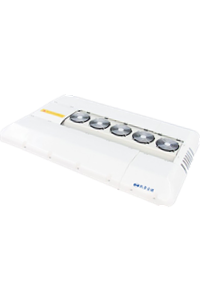
From sea level to 7,000 m in the Andes Mountains, with temperatures from -20°C to 45°C, crossing high plateaus, basins, plains, and extensive coastlines. Supersnow offers high-altitude adapted units with precise ±0.5°C control, Variable Frequency Drive (VFD) technology saving 10-20% fuel, corrosion resistance, and anti-seismic design. That's why it is the reliable choice for refrigerated transport throughout Latin America.
Table of Contents
- 1. Extreme Environments in Latin America: Why Standard Units Aren't Enough?
- 2. Standard Unit vs. High-Altitude Adapted Unit: Key Comparison
- 3. 300+ Patents: Precise ±0.5°C Control + Failure Prediction
- 4. VFD Technology: 10-20% Fuel and Electricity Savings
- 5. Corrosion Resistance + Anti-Seismic + Durability: One Unit for the Whole Region
- 6. The Manufacturer Setting China's Refrigeration Standard: What Does It Mean?
- 7. Conclusion: Buy with Confidence, Use with Peace of Mind
1. Extreme Environments in Latin America: Why Standard Units Aren't Enough?
Latin America has an altitude range from sea level to nearly 7,000 m, crossing the Andes Mountains, highlands, basins, and plains, along with an extensive coastline. The annual temperature range is wide: from -20°C to 45°C. This complex geography, combined with extreme temperatures, high humidity, and highly saline environments, creates highly variable transport conditions.
Refrigeration units must offer: high altitude adaptability, powerful heat exchange capacity, stable cooling performance, high reliability and durability, precise temperature control, excellent heat dissipation, and corrosion resistance. The more demanding the environment, the higher the energy consumption and the greater the demand on the equipment. It's not just about cooling, but maintaining stable performance both at high altitude and in high temperatures.
Key Challenges in Latin America: Altitude difference up to 7,000 m + 65°C temperature range + high salinity → Standard units lose cooling capacity, increase failures, and raise cargo loss risk.
2. Standard Unit vs. High-Altitude Adapted Unit: Key Comparison
Supersnow has developed high-altitude adapted refrigeration units for Latin American conditions. The key differences compared to a standard unit are:
| Concept | Standard Unit | High-Altitude Adapted Unit (Supersnow) |
|---|---|---|
| Altitude Adaptation | Limited (<2000m) | Optimal (≥3000m) |
| Cooling Capacity | Decreases with altitude | Stable across different altitudes |
| High Temperature Performance | Unstable | High and consistent |
| Heat Dissipation System | Conventional | Reinforced |
| Energy Consumption | Higher in demanding conditions | Optimized |
| Reliability | Risk of failure | High reliability |
| Component Lifespan | Shorter | Longer durability |
| Temperature Control | Less precise | Precise and stable (±0.5°C) |
3. 300+ Patents: Precise ±0.5°C Control + Failure Prediction
A shipment of seafood, beef, ice cream, or high-value fruits could be ruined due to temperature fluctuations of just a few degrees during transport. Supersnow holds over 300 legally protected patents. Our units incorporate high-precision temperature control algorithms, achieving stable ±0.5°C control, ensuring the cargo always remains in optimal condition throughout the entire journey.
Furthermore, our system can anticipate potential failures in key components such as the compressor or fans, providing time for maintenance and avoiding unexpected roadside breakdowns. Our patented technologies protect your cargo's safety and your business reputation, significantly reducing the risk of losses.
±0.5°C
Stable Precision
Minimal fluctuations. Seafood, ice cream, and high-value fruits arrive in perfect condition.
Failure Prediction
Early Warning
Anticipates compressor/fan failures, allows time for maintenance, avoids roadside breakdowns.
300+ Patents
Technological Moat
Proprietary technologies protected by law, not simple assembly, but own algorithms and hardware.
4. VFD Technology: 10-20% Fuel and Electricity Savings
Our intelligent Variable Frequency Drive (VFD) control technology allows reducing fuel or electricity consumption by 10% to 20%, helping users save considerably on operating costs. In a context of rising fuel and electricity prices in Latin America, this means thousands of dollars in annual savings.
The robust design and anti-corrosion technologies of our units reduce failure rates and unplanned downtime, increasing equipment availability, generating more revenue, and lowering maintenance costs. Patents are not just technology, but tools to save costs and generate income, also improving the user's reputation.
5. Corrosion Resistance + Anti-Seismic + Durability: One Unit for the Whole Region
Latin America combines the extreme heights of the Andes with mountainous roads, as well as extensive coastal areas with high salinity. Supersnow units stand out because they: maintain performance on the plateau, resist corrosion in coastal areas, and withstand demanding conditions on mountain roads. The same unit can operate on more routes with total reliability, without needing frequent replacements or costly customizations.
Stable performance at altitude — No loss of cooling capacity above 3000m.
Corrosion resistant on the coast — Reinforced anti-corrosion coatings, passes salt spray tests.
Durable on mountain roads — Anti-seismic design, reinforced key components for rough terrain.
6. The Manufacturer Setting China's Refrigeration Standard: What Does It Mean?
Supersnow is not a manufacturer that simply complies with China's refrigeration industry standards, but an active participant in defining and drafting those standards. It is a company that understands and sets the rules of the sector. As a technological leader in China's refrigeration industry, Supersnow is aligned with national industry policies and has participated in formulating 3 national standards and 2 industrial standards.
This means our units feature a more standardized design, lower failure rate, lower after-sales maintenance costs, and more mature selection of key components. They offer precise ±0.5°C temperature control and maintain more stable performance in complex conditions like high temperatures, high altitude, and long-distance transport, reducing the risk of cargo loss. This translates into a safer long-term investment and lower lifecycle cost (not just the purchase price). For the user, the equipment maintains stable performance even after years of use, truly achieving buy with confidence and use with peace of mind.
7. Conclusion: Why is Supersnow Sold Across Latin America?
In summary, Supersnow refrigeration units are widely used from Mexico to Chile, from the coasts to the Andes, thanks to:
- Real technological advantage: 300+ patents, high-altitude adapted technology, precise ±0.5°C control, 10-20% savings with VFD.
- Extreme adaptability: Stable performance up to 7,000m altitude, reliable cooling at 45°C, corrosion resistant, and durable on mountain roads.
- Economy and profitability: Low lifecycle cost, fuel savings, low failure rate, lower maintenance expenses, high availability.
- Standard-setting manufacturer: Participation in 3 national and 2 industrial standards, standardized design, and mature components.
- User confidence: Reduces cargo loss risk, protects business reputation, buy with confidence and use with peace of mind.
* Supersnow reserves the right to modify technical specifications. Actual savings may vary depending on usage and environmental conditions.
